What Are Ligature Ties?
Ligature
ties are tiny elastomeric rings that orthodontists use to secure the
archwire to the bracket. They are typically made from polyurethane and come in
a variety of colors, sizes, and delivery systems.
Types of Ligature Ties
1. Single Ligature Ties
These are
individually cut elastomeric rings, typically packaged in large
quantities.
Advantages
- Customizable application
- Economical for bulk usage
- Ideal for practices with
high patient volume
Challenges
- Time-consuming during
placement
- Greater manual dexterity
needed
2. Pre-formed Ligature Ties
Pre-formed
ligatures come as pre-stretched, ready-to-use elastomeric modules.
Advantages
- Time-efficient
- Consistent stretch and force
- Reduced cross-contamination
risk
Challenges
- Slightly more expensive than
singles
- Limited customization
3. Stick Ligature Ties
Stick
ligatures are multiple ligatures arranged in a stick-like form, usually
10 to a stick.
Advantages
- Easy to pick and apply
- Reduces waste
- Available in multiple colors
Challenges
- Can dry out if not stored
properly
- Slightly bulkier in
packaging
Comparison Table: Single vs Pre-formed vs Stick
Ligatures
|
Feature
|
Single Ligatures
|
Pre-formed Ligatures
|
Stick Ligatures
|
|
Packaging
|
Loose
bulk
|
Individual
pre-formed units
|
Attached
on a stick
|
|
Application
Time
|
Slower
|
Fast
|
Moderate
to fast
|
|
Infection
Control
|
Lower
|
High
|
High
|
|
Cost
|
Economical
|
Premium
|
Moderate
|
|
Color
Variety
|
High
|
Moderate
|
High
|
|
Ideal
For
|
High-volume
clinics
|
Speed-focused
practices
|
Color-focused
treatments
|
Which One Should You Choose?
Your
choice depends on the goals and workflow of your clinic.
- Go for single ties if you prioritize
cost-effectiveness and have trained staff who can work efficiently.
- Choose pre-formed ties if speed and consistency
are essential, especially in busy urban clinics.
- Opt for stick ties if you want a balance of
color options, easy handling, and reduced contamination.
Factors to Consider Before Buying
1. Patient Demographics
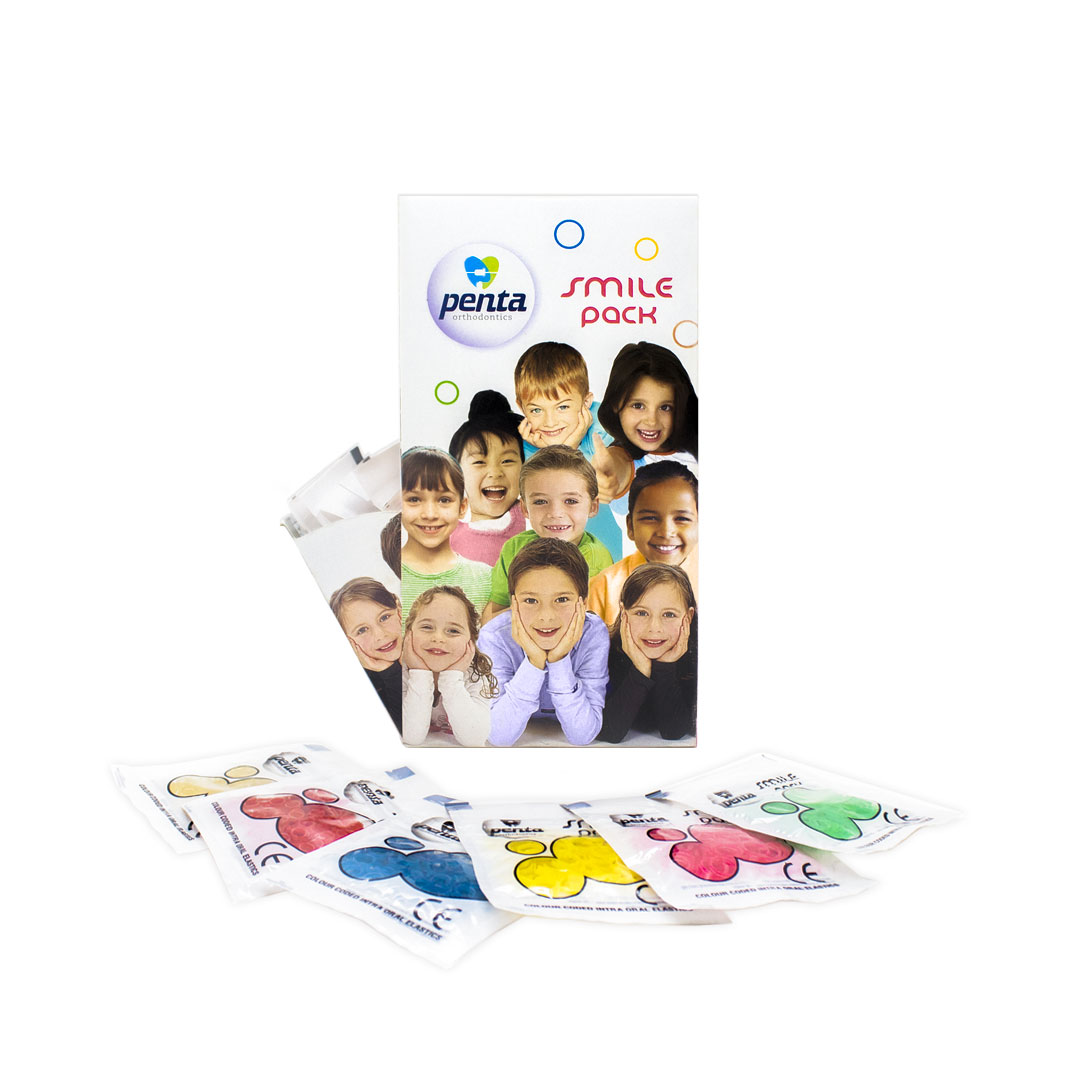
Younger
patients may enjoy colorful ties, making stick ligatures a fun and interactive
option.
2. Clinic Workflow
If time
is a constraint, pre-formed ligatures can cut down chair-time significantly.
3. Hygiene Protocol
For
practices focused on cross-contamination control, pre-formed and stick ties
offer better hygiene management.
4. Storage Conditions
All
elastomeric products are sensitive to heat
and humidity. Choose packaging that aligns with your storage
infrastructure.
Tips for Better Use of Ligature Ties
- Use ligature-placing
tweezers for
better grip and precision.
- Rotate colors for kids to keep
appointments engaging.
- Check elasticity before use,dried or
over-stretched ligatures may snap or deliver inadequate force.
- Store ligatures in a cool,
dry environment.
Ligature
ties are more than just colorful accessories, they are critical tools
that influence the success of orthodontic treatment. Whether you prioritize speed,
hygiene, aesthetic appeal, or cost-efficiency, there’s a
ligature type tailored to your practice’s needs.
Evaluate
your clinical goals, patient preferences, and logistical setup to pick the best
ligature system. And don’t hesitate to test a few options to find the perfect
fit.
For more,
visit us at www.pentaorthodontics.com

_6721_4112T20250913095447.jpg)
_9916_7500T20250616093456.jpg)
_7055_1133T20250522095827.png)